
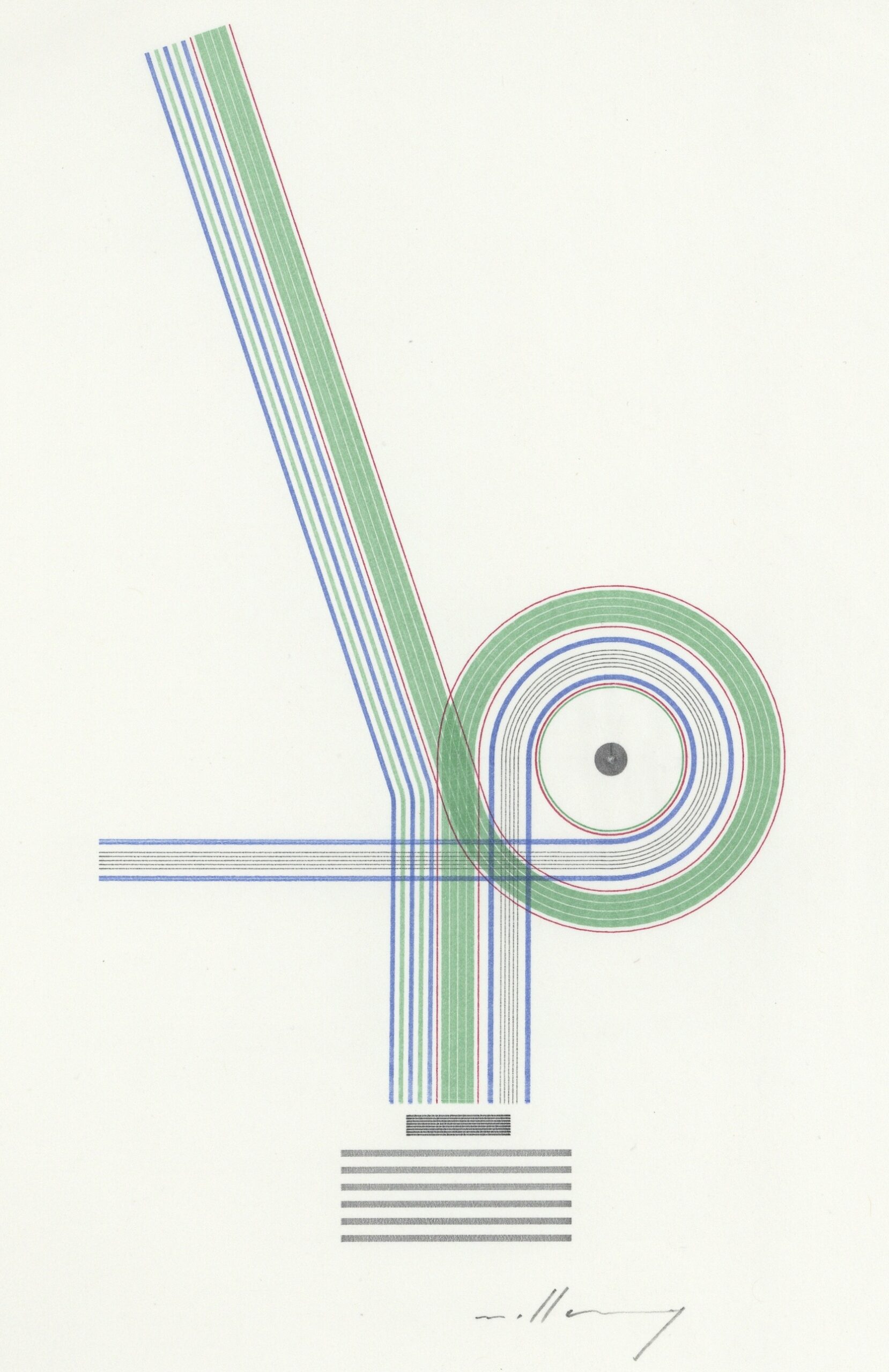
Robert Mallary was an American abstract expressionist sculptor and pioneer computer artist. In 1968, he created one of the first — if not the first — computer-generated sculptures, Quad 1, which was displayed at the Cybernetic Serendipity exhibit at the Institute of Contemporary Arts in London in the same year.
Website of Robert Mallory:
https://www.robertmallary.com/
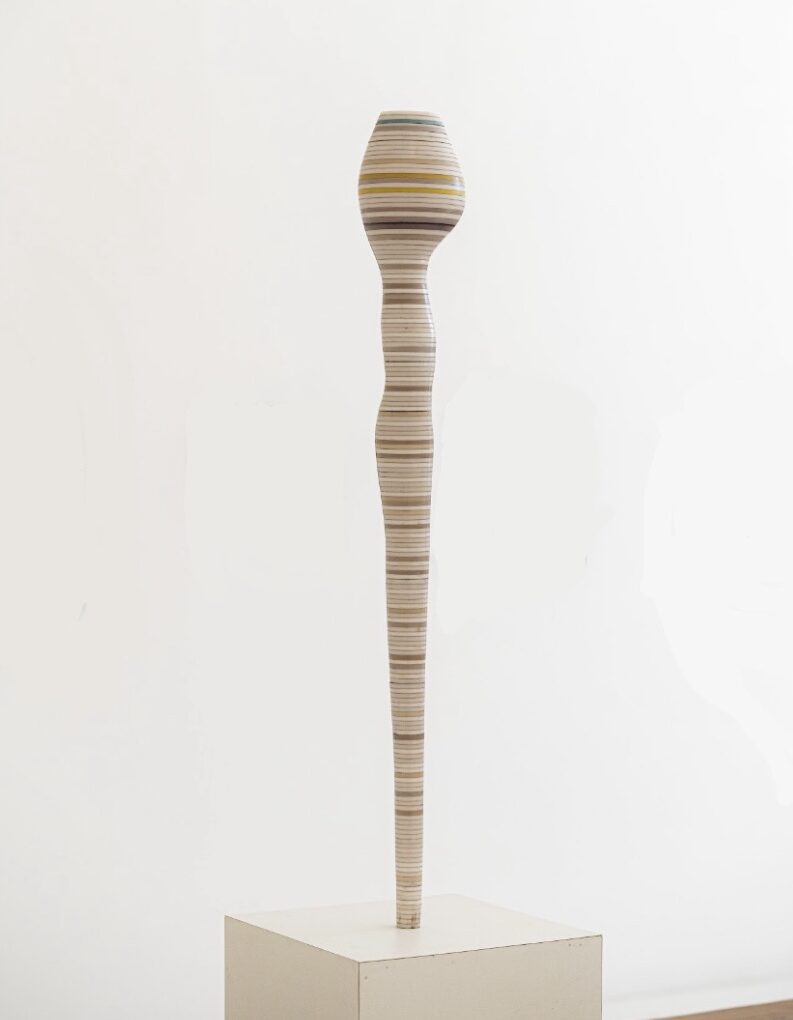
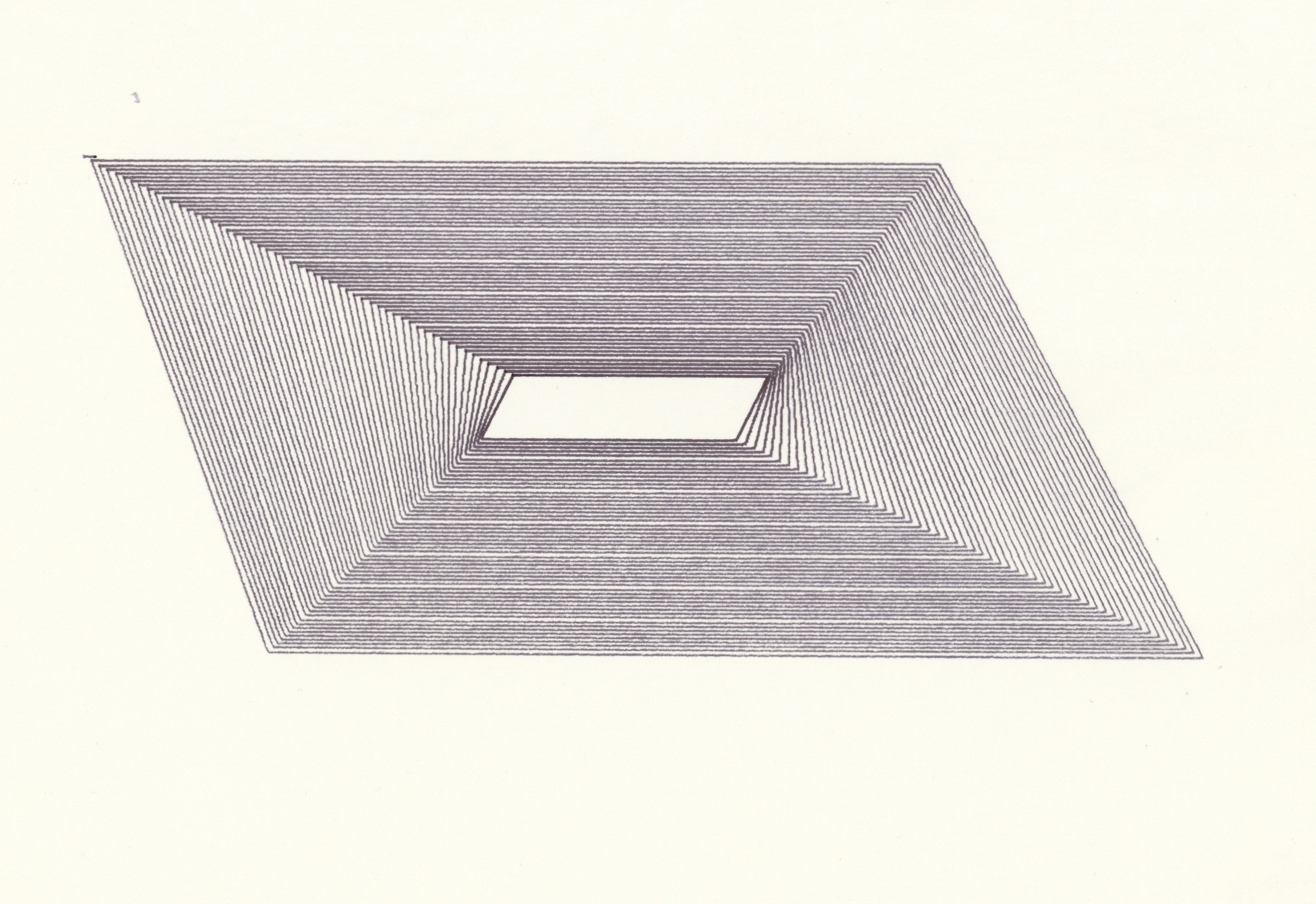
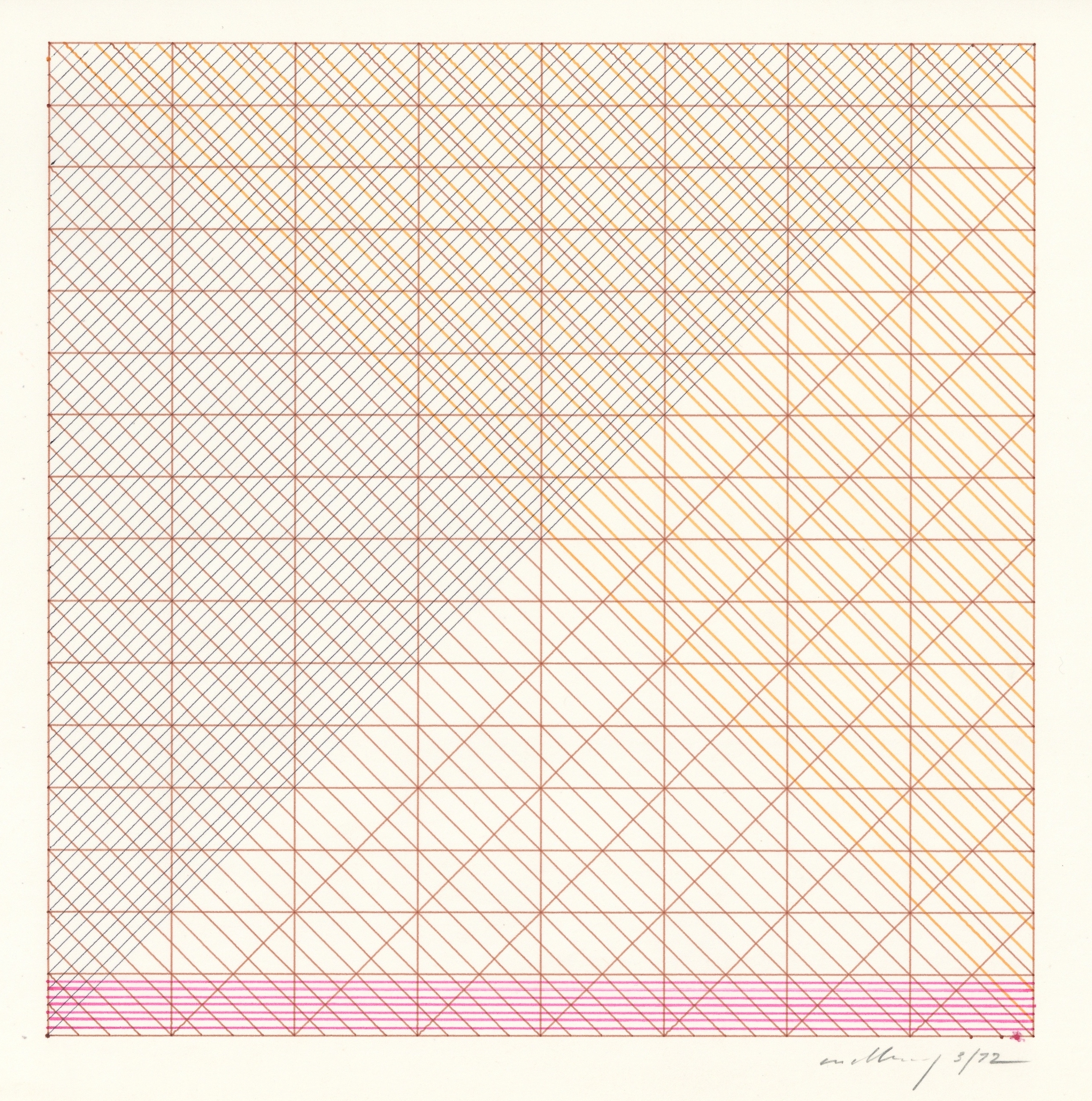
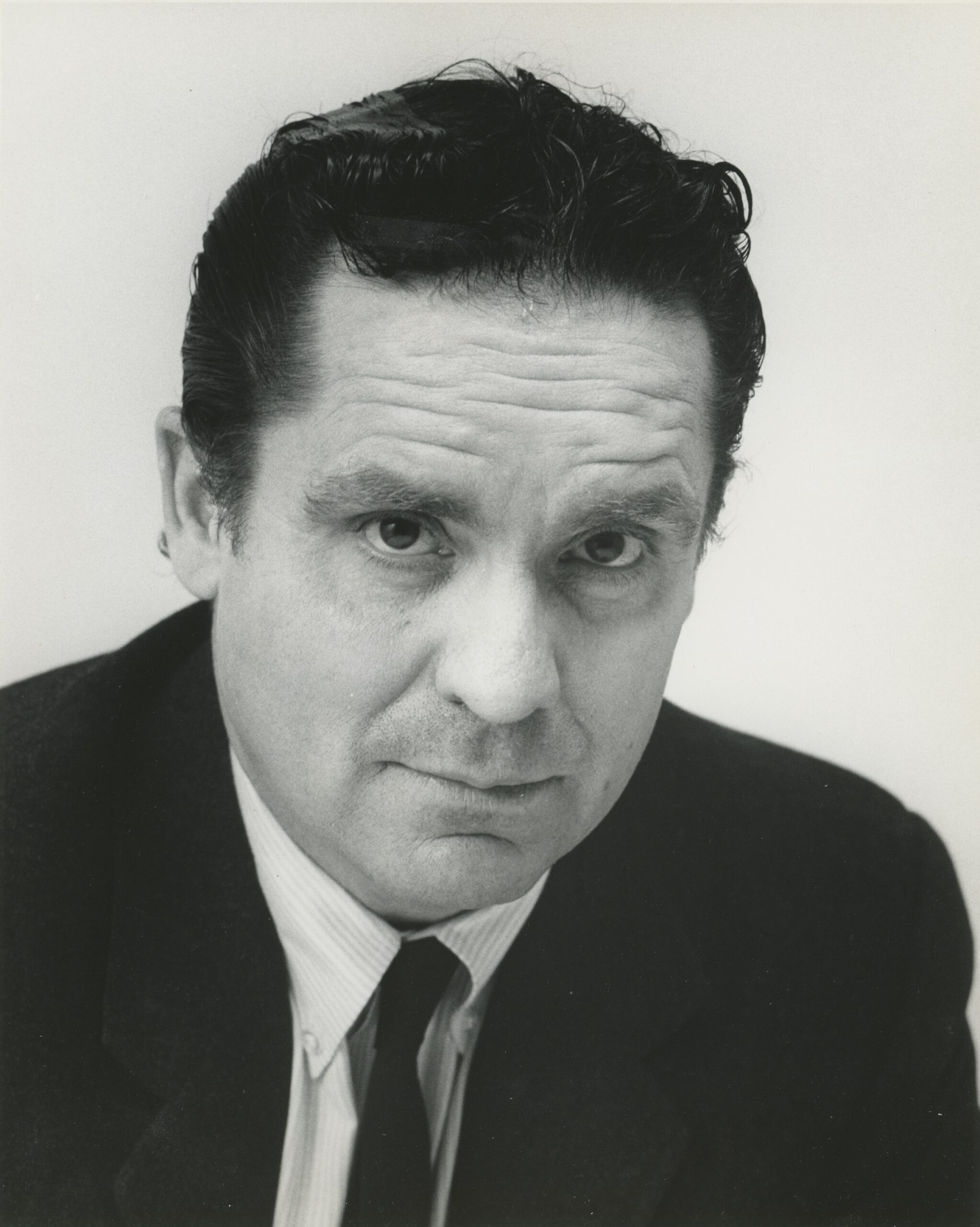
First published in Artist and Computer. Ed. Ruth Leavitt, Harmony Books, New York, p. 4–8. (excerpt)
The power of the computer in art is that it can play a variety of roles, many of them cybernetic, or ‘brain-like’. The computer, like any tool or machine, extends human capabilities. But it is unique in that it extends the power of the mind as well as the hand. Hence, a clear distinction must be made between this brain-like function and the output instrumentalities (like film, video, photography, holography, kinetic sculpture, graphics, light art, etc.) through which this power is expressed. This explains why the computer is not an art medium as such, and why the phrase ‘computer art,’ if used to convey this meaning, is a misnomer. Properly defined, the role of the computer is that of a key cybernetic component in a host medium, art form, or art-generating system where it performs a variety of functions, some of them far more sophisticated than others from a cybernetic standpoint. In other words, some of them have more to do with the brain than the hand, and in this respect are more portentous in their long-term implications for art. And it is these cybernetic implications that interest me the most.
For example, one artist might use the computer for its speed, precision, and implacable tirelessness; another for its ability to imitate biological, physiological, or psychological stimulus/response interactions; another for its ability to simulate other kinds of art; another as a way of mediating the flow of energy and information within a transductive system (as when sound ignites the visual kinetics on a CRT or video display); another for its ability to regulate precise and fast-moving performances (as in a kinetic laser system); another for its ability to calculate the minute ‘iterations-with-a-difference’ of a spiralgraphic-like composition; and another for its ability to calculate a hologram, or the small differences of imagery in a stereo pair.
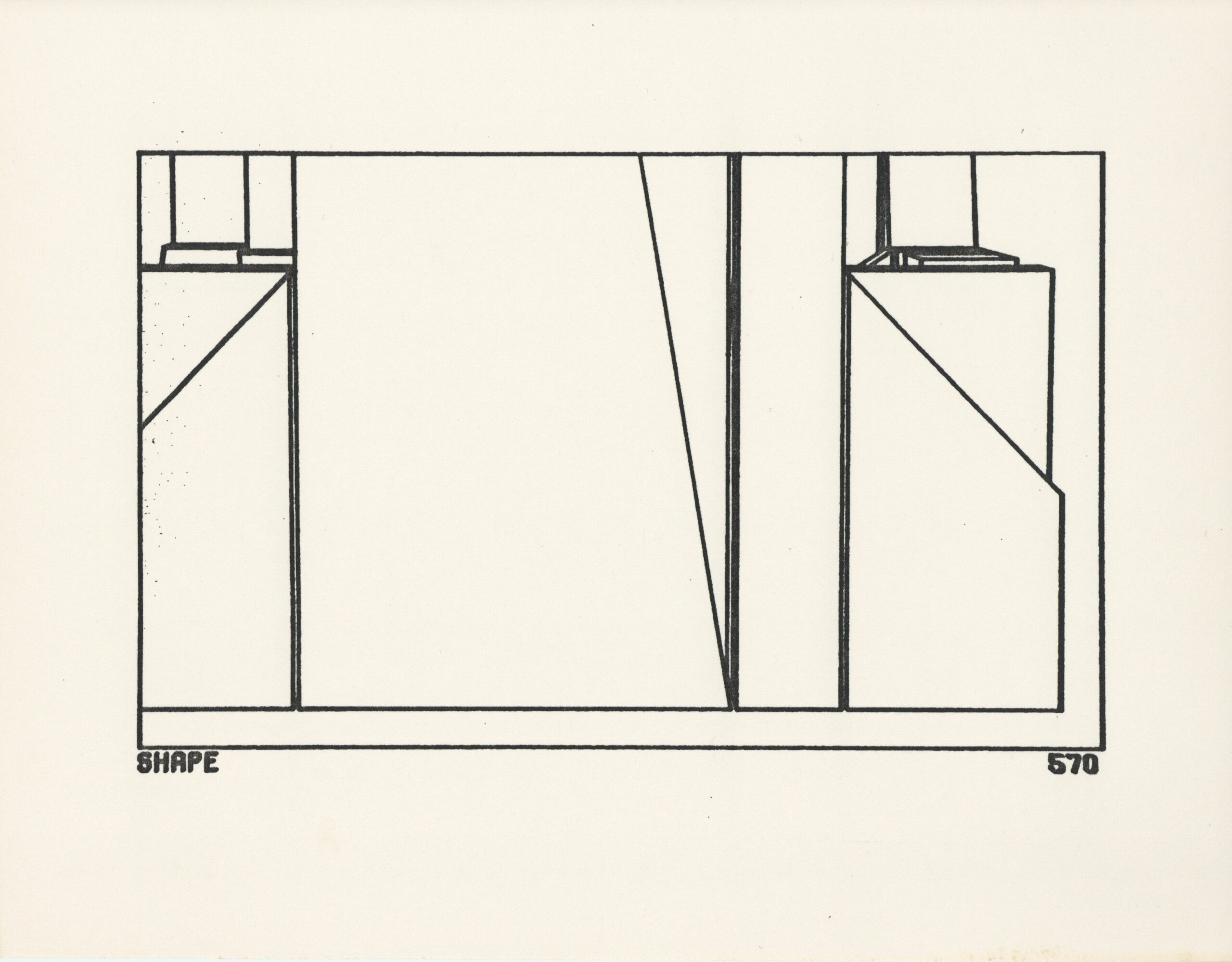
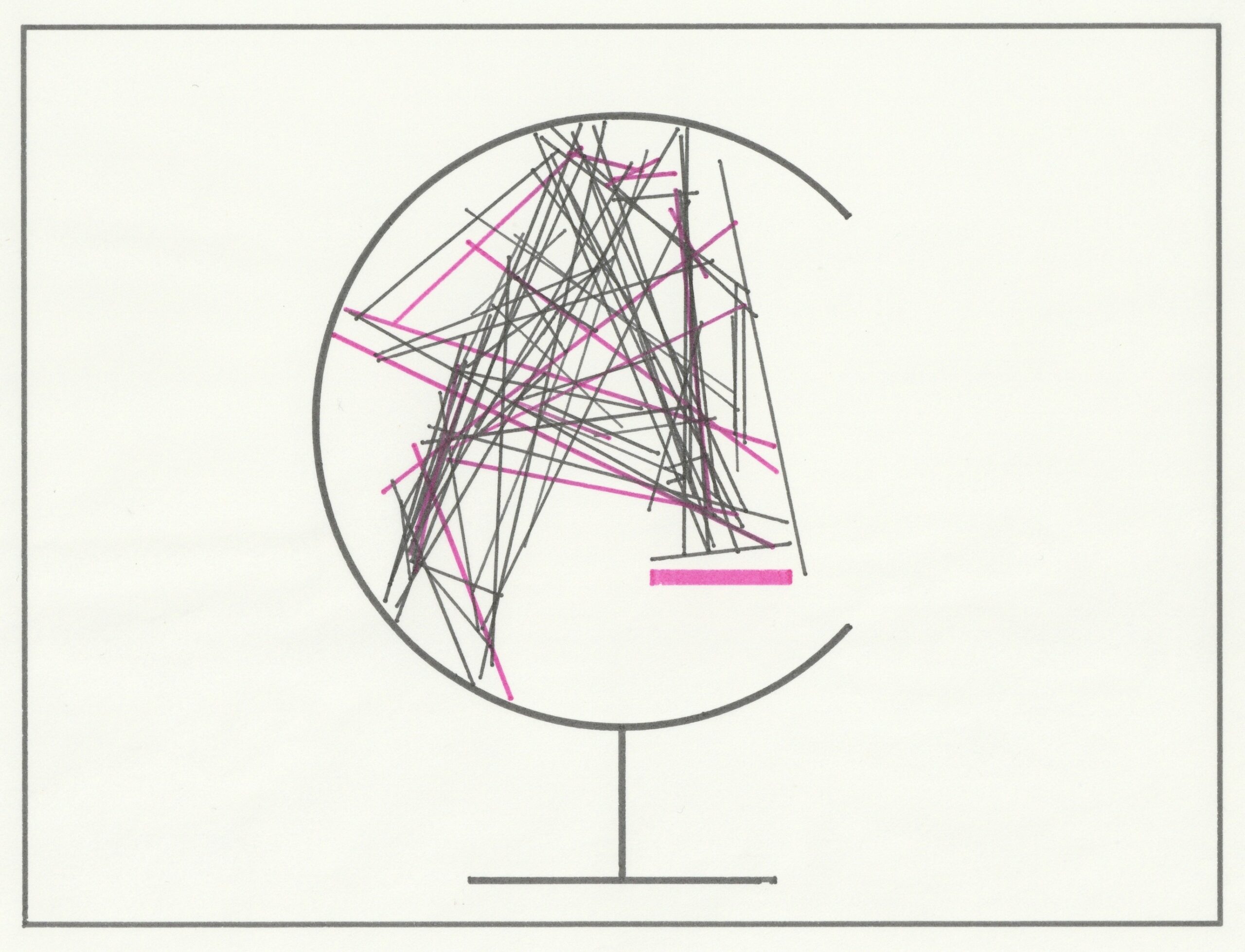
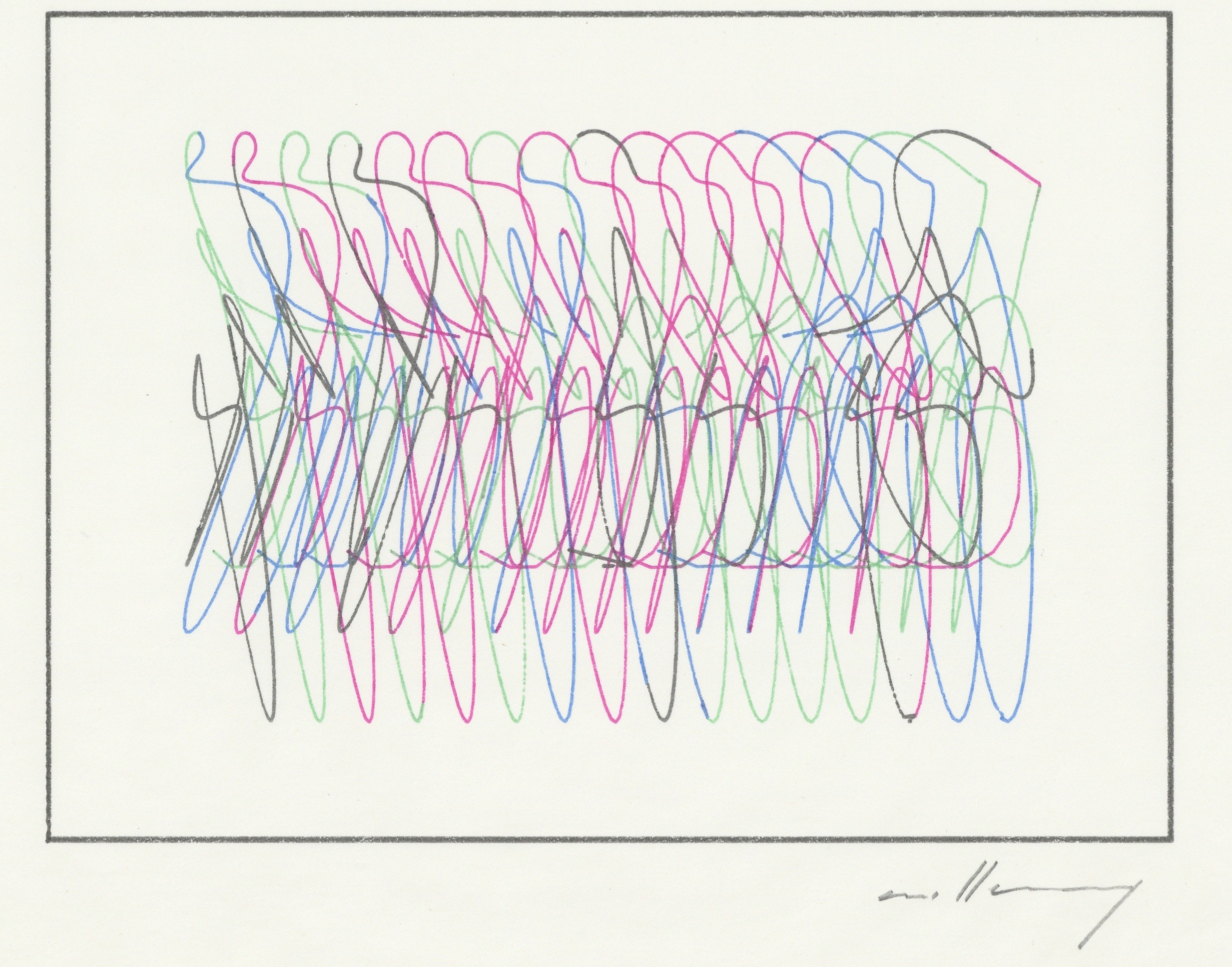
My program GRAF/D does nothing but draw straight lines in grid-like patterns. I don’t doubt there are thousands of artists who could draw similar graphics by hand if they were of a mind to. But I couldn’t—or more precisely, wouldn’t—because I’d either be climbing the walls, or making blotches on the next to the last line. Although this use of the computer can hardly be called cybernetic, it is still a sufficient excuse to use it. Mere convenience is a justification, just as we use machines to do many things we are able to do without them. But we use them nevertheless—and why not? And why not use the computer just for its convenience when making certain kinds of art?
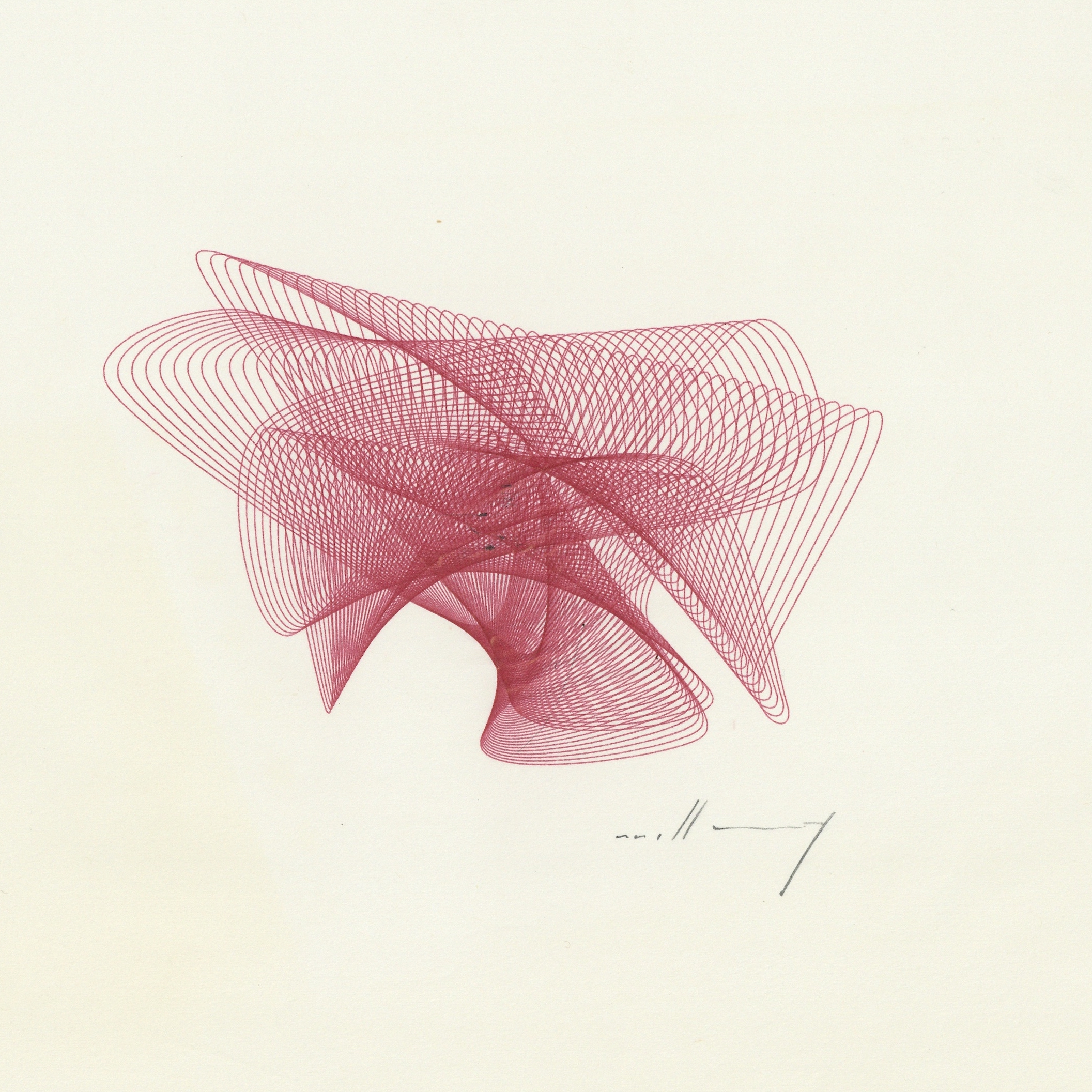
Ohio (USA), 1917 – Massachusetts (USA), 1997
Robert W. Mallary was a visionary American artist who significantly influenced the art world of the 20th century. Raised in Berkeley, California, he began his artistic education in Mexico City. In the 1950s and 1960s, Mallary established himself as an abstract expressionist sculptor, known for his innovative Neo-Dada or “junk art” sculptures made from found materials and urban debris.
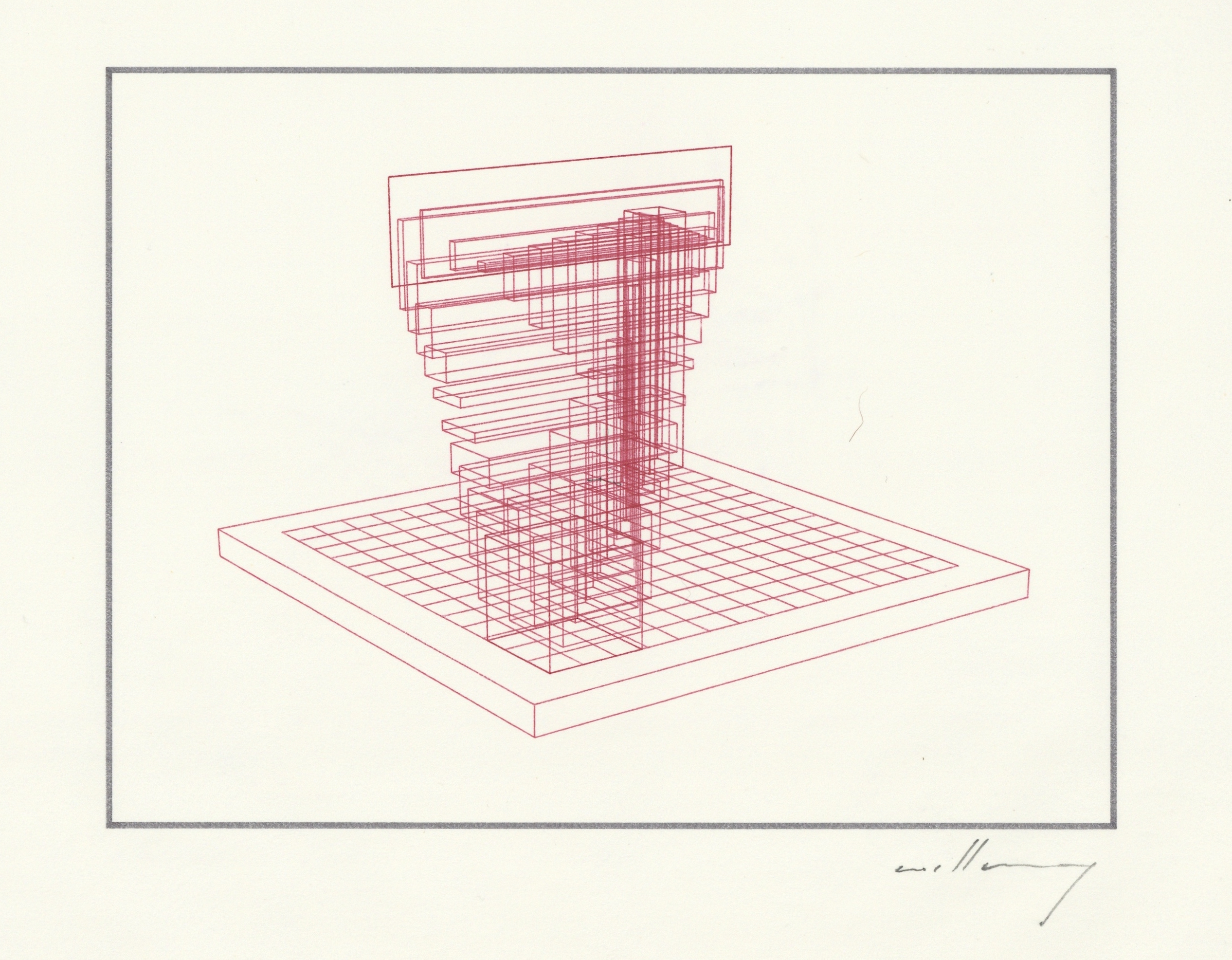
In the late 1960s, Mallary turned to computer art and became a pioneer in this field. In 1968, he developed the groundbreaking computer sculpture program TRAN2, which allowed him to describe three-dimensional shapes in the computer by layering two-dimensional forms.
That same year, he created “Quad 1,” one of the world’s first computer-generated sculptures.
In the 1970s and 1980s, Mallary continued his work with computer graphics, creating innovative plotter drawings. These works demonstrated his ongoing exploration of the connection between art and technology. His belief that “the future of art lies in technology” was documented in a 1992 film.
In addition to his artistic work, Mallary was an influential teacher at institutions including the University of Massachusetts, Amherst, and the University of California, Los Angeles and is considered one of the first American artists to teach a course on computer graphics at a university.
Robert Mallary’s work has been exhibited, among others, at the Museum of Modern Art, New York; the Whitney Museum of American Art, New York; the Institute of Contemporary Arts, London; the Mayor Gallery, London; Allan Stone Projects, New York; Hauser & Wirth, Zürich; and the São Paulo Biennial.
His work is held in the collections of the Museum of Modern Art, New York; the Whitney Museum of American Art, New York; the National Gallery of Art, Washington, D.C.; Tate, London; the Victoria and Albert Museum, London; the Museum of Fine Arts, Houston; and the Los Angeles County Museum of Art.
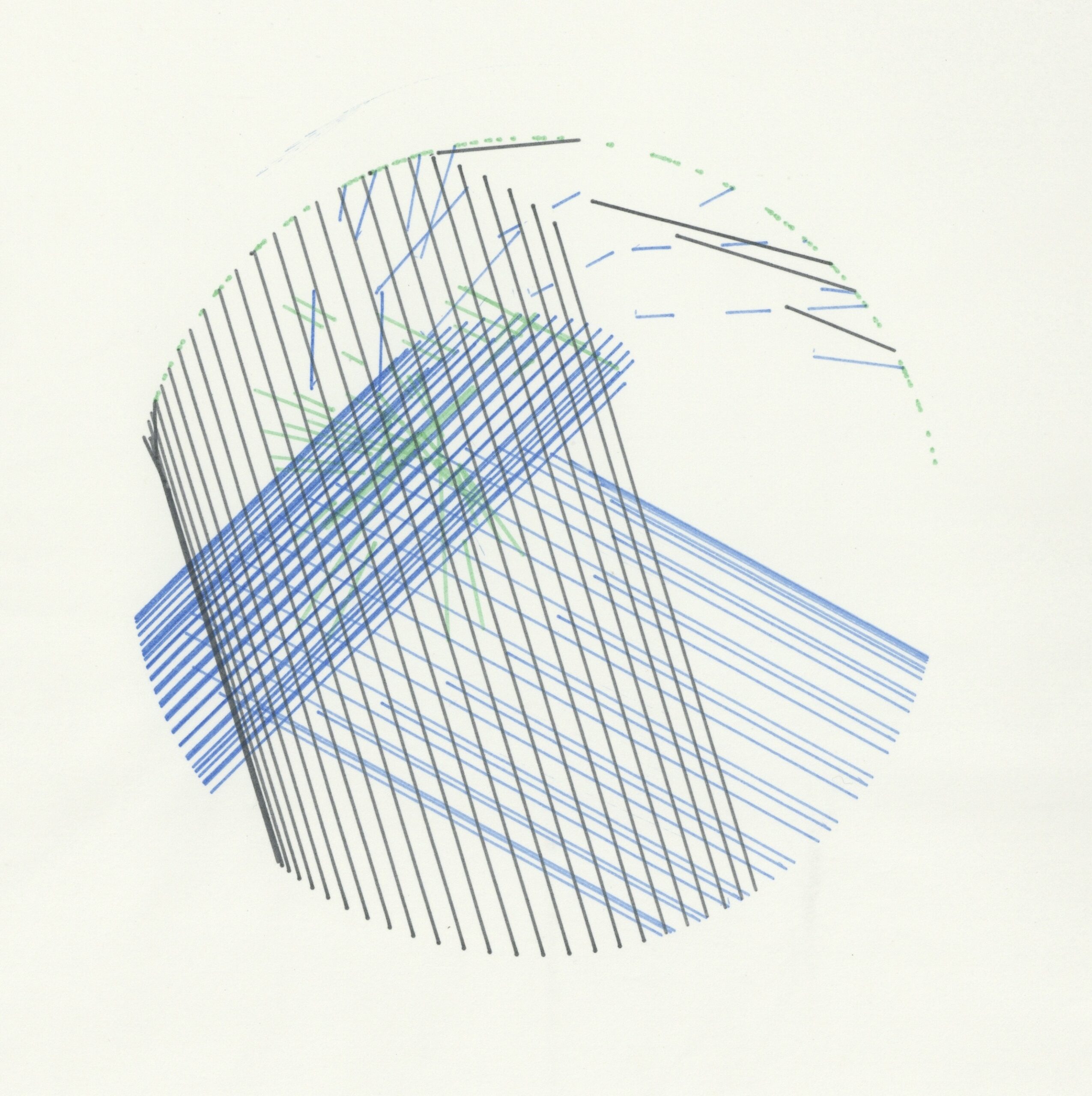
Mallary, R. (1963). A Self Interview. [EN]
— (1969). Computer Sculpture. Artforum 7: 29–35. [EN]
— (1970). TRAN2—A computer graphics program to make sculpture. Fall Joint Computer Conference. Association for Computing Machinery, New York, USA, pp. 451–60. [EN]
— (1976). Interview. In: Artist and Computer. Ed. Ruth Leavitt, Harmony Books, New York, p. 4–8. [EN]
— (1989). Synesthetic art through 3-D projection: The requirements of a computer-based supermedium. Spatial Displays and Spatial Instruments, NASA, Ames Research Center. [EN]
Mason, C. (2022). An Element of Perfection: The Transductive Art of Robert Mallary. Arts 11 (2). [EN]
Powell M.W. (2023). Computing Art. Robert Mallary Media and Archive, in collaboration with Spiritual America. [EN]
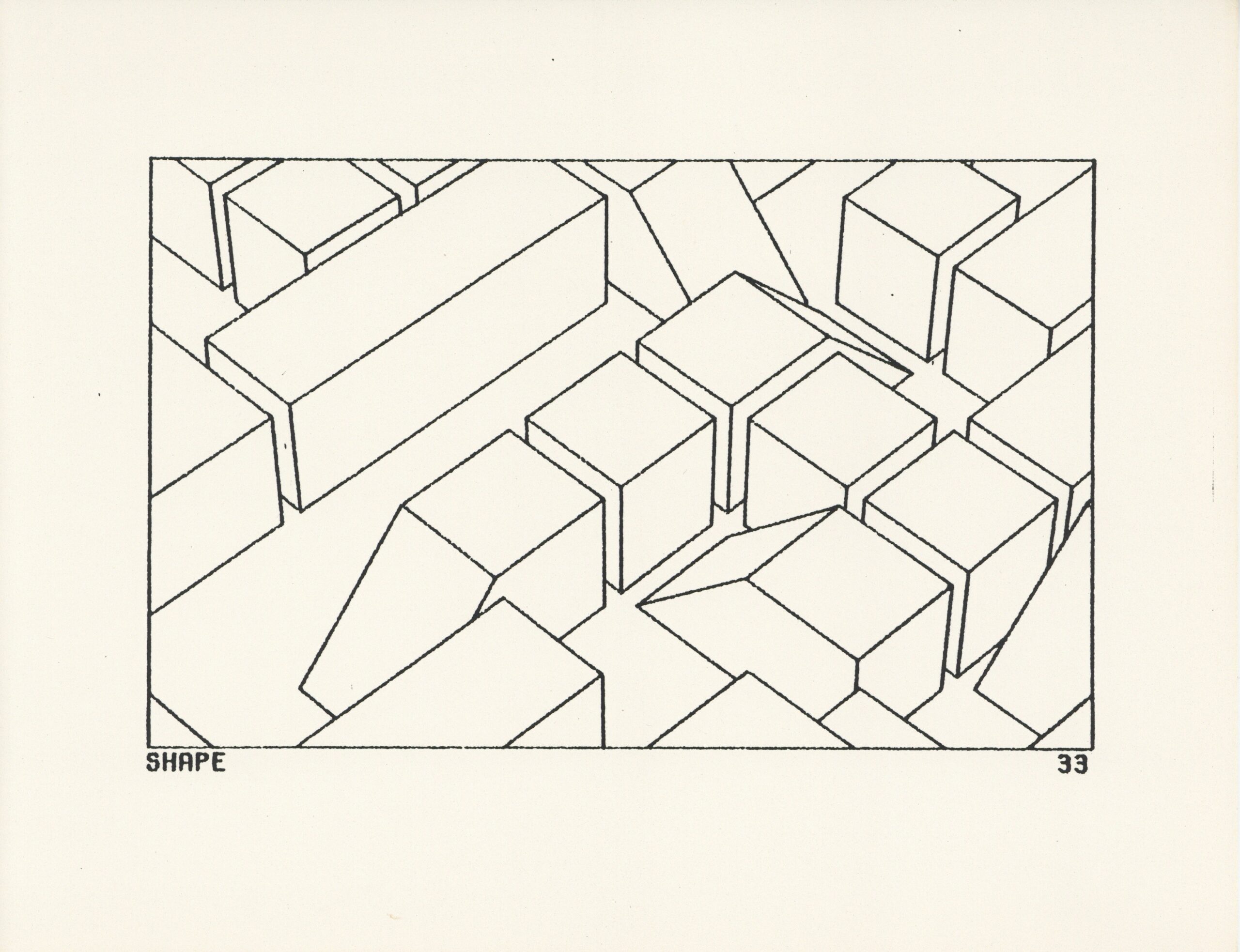
Publications (selection)
1990
Mallary, Robert: Spatial-Synesthetic Art through 3-D Projection: The Requirements of a Computer-Based Supermedium, in: Leonardo, Vol. 23, No. 1, 1990, p. 3–16.
1986
Mallary, Robert: My 19 Years with the computer: A summary and a prediction, in: The Visual Computer, Vol. 2, 1986, p. 184–186.
1976
Robert Mallary, in: Artist and Computer, ed. by Ruth Leavitt, Harmony Books, New York 1976, p. 4–8.
1970
Mallary, Robert: TRAN2—A computer graphics program to make sculpture, in: Proceedings of the Fall Joint Computer Conference (FJCC ’70), Association for Computing Machinery, New York 1970, p. 451–460.
Mallary, Robert: Notes on Jack Burnham’s Concepts of a Software Exhibition, in: Leonardo, Vol. 3, 1970, p. 189–190.
1969
Mallary, Robert: Computer Sculpture: Six Levels of Cybernetics, in: Artforum, Vol. 7, No. 9, May 1969, p. 29–35.
1964
An Interview with Robert Mallary, in: Artforum, Vol. 2, January 1964, p. 37–39.
1963
Mallary, Robert: The Air of Art is Poisoned, in: ARTnews, Vol. 62, October 1963, p. 34–37.
Mallary, Robert: A Self Interview, 1963, self-published.
Exhibition Catalogues
2019
Coder le monde, cat. exhib., Centre Pompidou, Paris 2018/2019.
1993
Oles, James / Reiman, Karen: South of the Border: Mexico in the American Imagination, 1914-1947, cat. exhib., Yale University Art Gallery, New Haven 1993.
Robert Mallary: Early Computer Sculpture, cat. exhib., IBM Gallery of Science and Art, New York 1993.
1974
Poets of the Cities: New York and San Francisco 1950-1965, cat. exhib., Dallas Museum of Fine Arts, Dallas 1974.
1971
Cybernetic Serendipity: The Computer and the Arts, ed. by Jasia Reichardt, cat. exhib., Institute of Contemporary Arts, London 1968–1971.
1969
Doty, Robert: Human Concern / Personal Torment: The Grotesque in American Art, cat. exhib., Whitney Museum of American Art, New York 1969.
Lieberman, William: Twentieth Century Art From the Nelson Aldrich Rockefeller Collection, cat. exhib., The Museum of Modern Art, New York 1969.
1967
Sculpture of the Sixties, ed. by Maurice Tuchman, cat. exhib., Los Angeles County Museum of Art / Philadelphia Museum of Art, Los Angeles 1967.
1965
Contemporary American Painting and Sculpture, cat. exhib., University of Illinois, Urbana 1965.
1963
New Directions in American Painting: A Loan Exhibition, cat. exhib., Brandeis University, Waltham 1963.
1962
Hunter, Sam: American Art Since 1950: A Loan Exhibition, cat. exhib., Institute of Contemporary Art, Boston 1962.
1961
Seitz, William C.: The Art of Assemblage, cat. exhib., The Museum of Modern Art, New York 1961.
1959
Miller, Dorothy C.: Sixteen Americans, cat. exhib., The Museum of Modern Art, New York 1959.
1957
Young America 1957: Thirty American Painters and Sculptors under Thirty-Five, cat. exhib., Whitney Museum of American Art, New York 1957.
1956
California Painting: 40 Painters, cat. exhib., Long Beach Municipal Art Center, Long Beach 1956.